Instructions for configuring a Linux system to spin down an HDD after a specified period of inactivity. The following description presents one of at least several possible methods for spinning down idle HDD drives. The advantage of this method, however, is that it should work with drives connected not only via SATA but also via USB.
Installing Apache Kafka 4.0 on Kubernetes with KRaft, Strimzi, Prometheus, Grafana and OTel.
Installation of the Network File System (NFS). NFS allows remote drives on Linux systems to be mounted as if they were local.
Using multiple libraries we can get an UnsupportedClassVersionError. However, stack trace does not return the JDK version in which the problematic class was compiled, but the numeric value "major.minor version", the so-called Class File Version.
Kubernetes is an open-source container orchestration platform that automates the deployment, scaling, and management of applications in cloud and on-premise environments. With high availability, self-healing architecture, and flexible scaling, it allows you to build systems that are resilient to failures and ready for dynamic traffic growth. Today, it is the foundation of modern, scalable solutions based on microservices.
A step-by-step guide to configuring NFS (Network File System) between two computers: one acting as a host with a large storage drive, and the other connecting to it so the remote storage appears as a local drive.
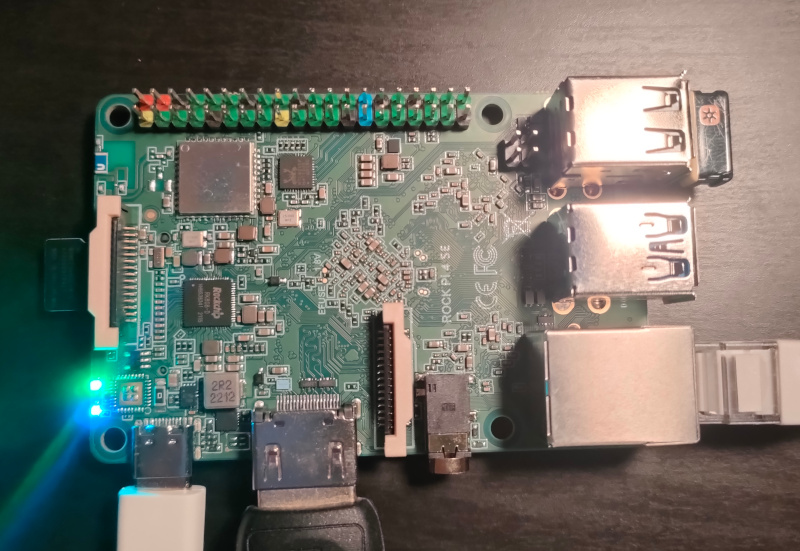
While the Raspberry Pi 5 remains the favourite "gold standard" for a huge community of users due to its ease of use, the Rock 4 has a few hidden advantages for users looking for a little more edge. One of the most significant advantages is the native M.2 expansion slot, which allows you to ditch slow microSD cards in favour of lightning-fast NVMe storage directly on the board. The device also handles sustained workloads well, maintaining impressive thermal performance and often staying cooler than the Pi under load. You still get the familiar form factor, but with a little more flexibility for high-performance projects such as media servers or advanced emulators. Of course, you lose some of the plug-and-play simplicity of the Pi, but for those who like a slightly more ‘professional’ approach to hardware, the Rock 4 is an attractive alternative. It's basically its more powerful cousin, unafraid of heavy tasks, while the Pi remains friendly and accessible.
Docker and Docker Compose are powerful tools that allows you to package applications and their dependencies into lightweight, portable containers, making deployment fast and consistent across different environments. Below is a list of basic Docker commands that will help you get started and manage containers effectively.

There are many acronyms in software engineering. We are often familiar with their concepts and use them in our daily work, but we do not always remember their definitions exactly. In this brief overview, I have tried to collect the most popular ones.

Juggernaut XL is a much more advanced model for generating images than Stable Diffusion. The example includes information on how to quickly install the relevant libraries with a few commands and write a Python script that generates images.